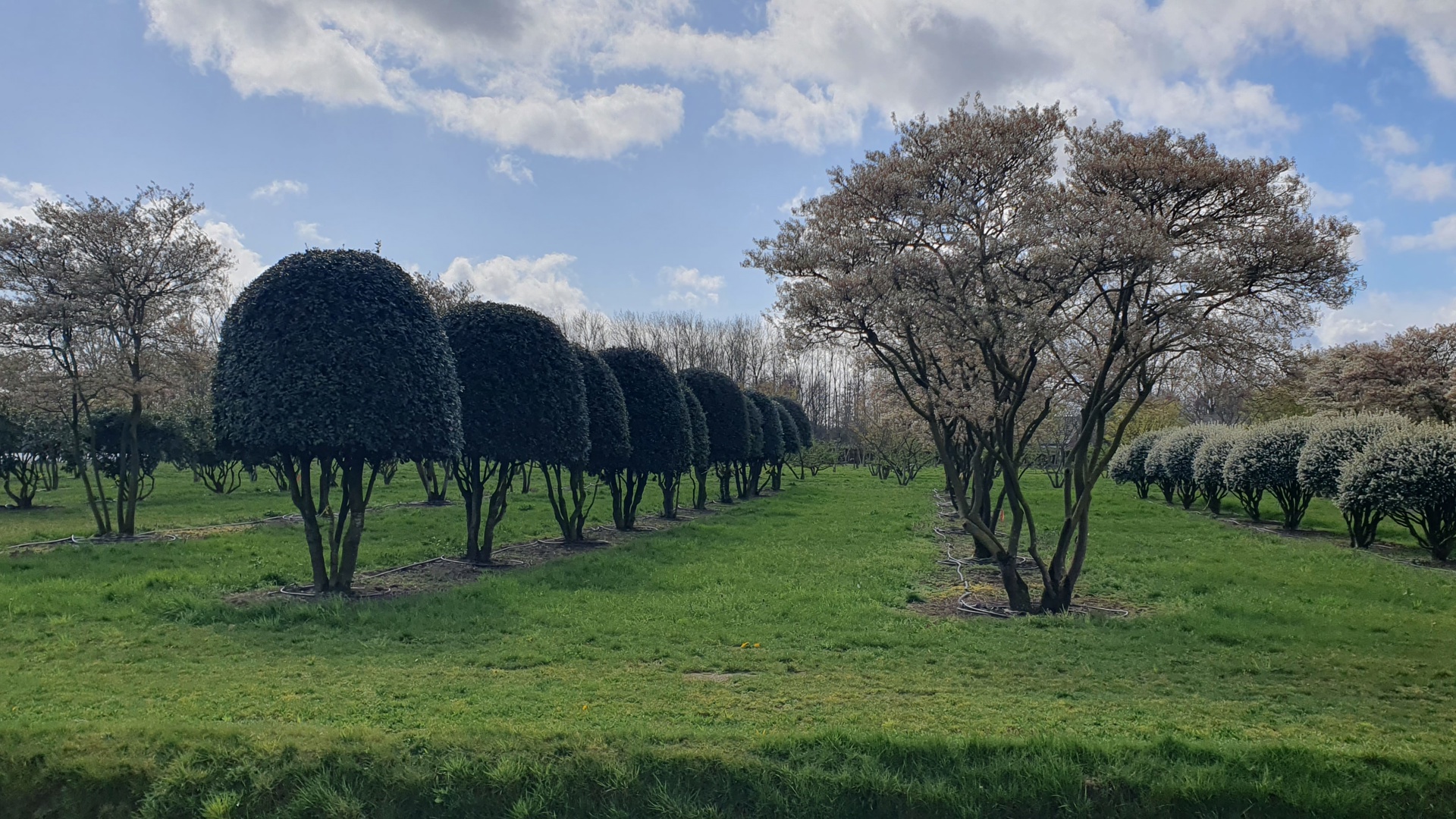
Within the SolidTree project, Judith van de Mortel’s ‘Living Soil Works!’ professorship of HAS green academy is investigating how growers can be enabled to make sustainable choices in soil management, based on reliable knowledge.
In addition, the visibility of soil life is a key aspect, also for the wider supply chain. Increasing the appreciation for sustainable roadside tree cultivation will translate into added value for the trade. This project will create a blueprint for developing soil life-integrated soil management which can serve as a model for other crops.
Under pressure
Roadside tree cultivation is under pressure due to assumptions on negative effects on biodiversity, water quality and the use of pesticides.
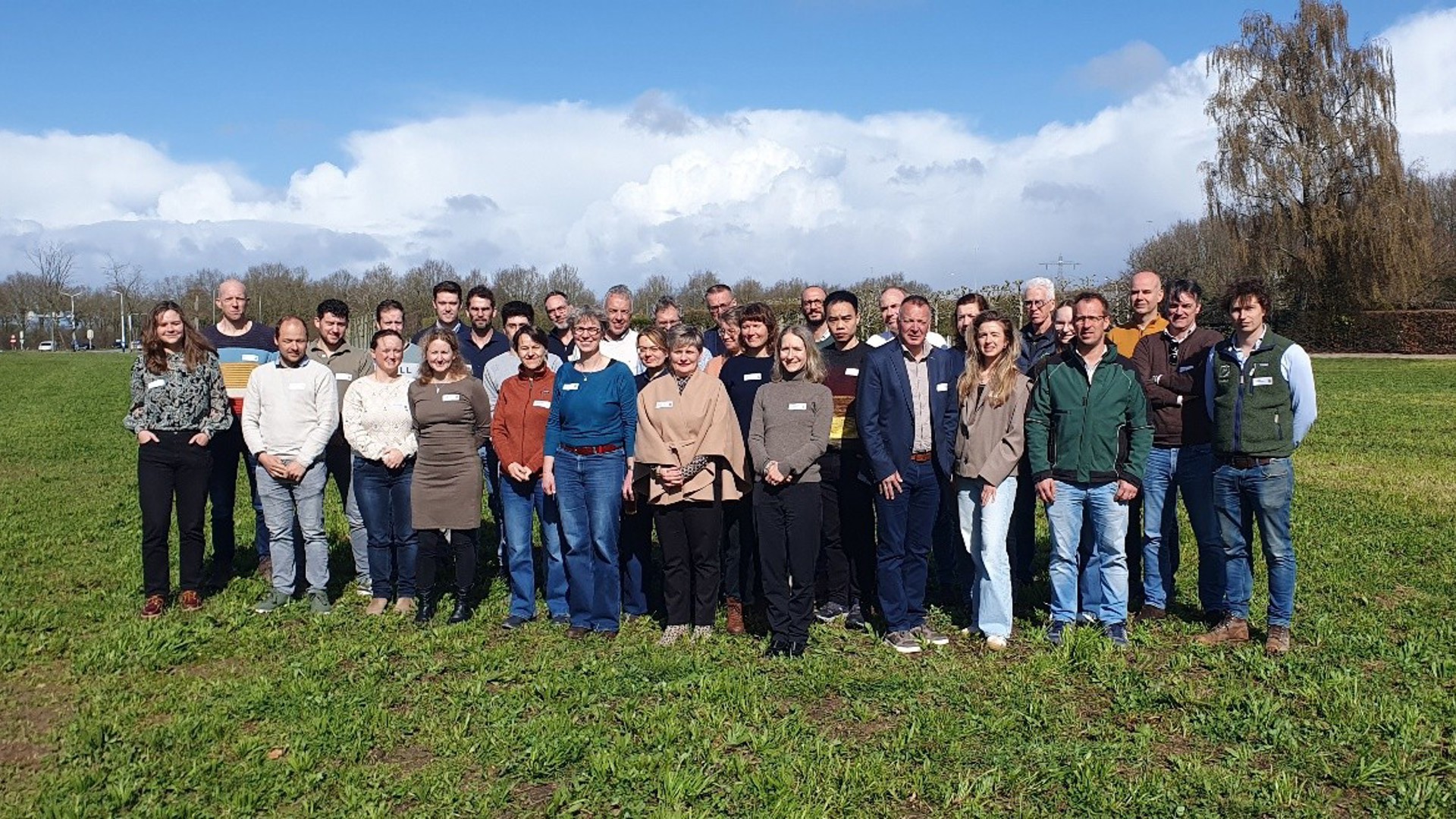
That is why researchers from HAS Green Academy (Mark Smits and Irene de Bruijn), Leiden University (Gerard Breeman and Nora von Ingersleben-Seip), the Netherlands Institute of Ecology (NIOO-KNAW, Ciska Veen), Utrecht University (Basten Snoek), the University of Twente (Doina Buçur), and Wageningen University (Gerlinde De Deyn & Marjolein Derks) are collaborating for six years with growers, Agritech, data companies, and government bodies to develop a decision-support system that includes soil life.
Healthier living environment
The research contributes to a healthier living environment by reducing the use of pesticides and artificial fertilisers, and improving soil quality. It also reduces the leaching of nutrients and pesticides into surface water and groundwater.
Biodiversity is improving: stimulating soil life and nature-inclusive management strengthens regional biodiversity, which also has positive effects on surrounding nature and agricultural areas. And a stronger position for the roadside tree sector means a stronger regional economy in Gelderland and North Brabant, which contributes to employment and the sustainability of rural areas.
Restoring trust and recognizing added value
This project aims to develop a thoroughly substantiated decision-support tool, offering insights that are also applicable in other sectors. The aim is to restore trust between growers, the government and the public, and to ensure that the entire value chain recognizes the added value of more sustainably grown roadside trees, leading to potential adjustments in policy and regulations.
Practical research is essential
Practical research is essential to the project. This is carried out on the plots of land made available by the roadside tree growers for testing new management strategies. Their early and ongoing involvement ensures that the research questions address practical challenges and that the results are applicable and scalable.